
 +91-22-48913909
A Detailed Guide to Insurance
Everyone knows about Insurance. As a general perception, Insurance is something which keeps you or the things that you have insured sustaining a heavy financial loss. But there is a lot more to this than just a cover for something that you feel is capable of taking a damage.
In today's world, insurance has become much more than a financial safety net. Rising medical costs, changing lifestyles, climate-related disasters, cyber risks, and increasing financial responsibilities have made insurance an essential part of personal financial planning. Whether you are earning your first salary, starting a family, buying a home, or planning for retirement, the right insurance policy can protect your finances from unexpected setbacks.
Let's look into this in a detailed manner.
What is Insurance?
In technical terms, it is a form of risk management in which the insured entity transfers the cost of possible loss to another entity in exchange for a small monetary compensation. This compensation is called as premium. In simple terms, it is like paying a lump-sum amount to an entity to get yourself protected from a possible future loss. Thus, when there is a case of some misfortune, the insurer aids you to get through the situation.
An insurance policy is a legal contract between the policyholder and the insurance company. The insurer agrees to compensate the policyholder for financial losses arising from specific events covered under the policy, provided all terms and conditions are fulfilled. Depending on the type of insurance, these events may include illness, accidents, death, property damage, travel emergencies, or liability towards third parties.
For example, if a person purchases a health insurance policy and later requires hospitalisation due to an illness, the insurance company pays the eligible medical expenses as per the policy terms. Similarly, if a vehicle covered under a Motor Insurance policy is damaged in an accident, the insurer helps cover the repair costs subject to the policy conditions.
The primary objective of insurance is not to generate profits for the policyholder but to reduce the financial burden arising from unforeseen events. By paying a relatively small premium regularly, individuals and businesses can protect themselves against losses that may otherwise have a significant impact on their savings and long-term Financial goals.
Why Do You Need Insurance?
Everyone has this question in their mind. Do I really need protection? Life is full of surprises; some good ones, some bad ones. You need to be prepared for the worst that may come to you. It helps you to have that sense of security and calmness. There can be many reasons where you might need help, like critical illness, natural disaster, unexpected death of loved ones, etc. Being adequately insured in such situations provides a significant helping hand to your financial condition. Thus, one should opt for a correct type of protection according to their needs.
Apart from offering financial protection, insurance also helps you preserve your long-term wealth. Without adequate insurance, a single medical emergency, accident, natural disaster, or legal liability can force you to dip into your savings, sell investments, or even borrow money. Having suitable insurance allows your financial goals, such as buying a house, funding your child's education, or planning retirement, to remain on track despite unexpected events.
Insurance also offers peace of mind. Knowing that you have financial support during difficult times allows you to focus on recovery and rebuilding rather than worrying about arranging funds at short notice.
Major Benefits of Insurance
Some of the key advantages of having adequate insurance coverage include:
- Financial security against unexpected losses
- Protection of personal savings and investments
- Support for your family's financial well-being
- Coverage for rising healthcare expenses
- Legal compliance for mandatory policies such as third-party motor insurance
- Business continuity by protecting commercial assets and operations
- Tax benefits on eligible insurance policies under the prevailing provisions of the income tax Act, subject to applicable conditions
The importance of insurance continues to grow as healthcare costs, vehicle repair expenses, property values, and financial liabilities increase over time. Choosing the right insurance policy at an early stage can often result in lower premiums and better long-term coverage.
Talk to our investment specialist
Types of Insurance

1. Life Insurance
Life protection is one of the traditional forms of insurance, designed to protect you and your loved ones from sudden calamity or disaster. It was initially designed to safeguard the income of the families. But since then, it has evolved from being just a protection measure to an option for wealth preservation or Tax Planning.
Need for a life cover is calculated on various factors like the number of dependents on a person, current savings, financial goals etc.
Today, Life Insurance products are available in different forms to suit varying financial goals. While Term Insurance focuses purely on providing financial protection to your family, other products such as Endowment Plan, Whole Life Insurance, money-back policies, and Unit Linked Insurance Plan (ULIPs) combine insurance with savings or investment features. Selecting the appropriate policy depends on your financial objectives, age, responsibilities, and risk appetite.
2. General Insurance
Any type of coverage apart from life comes under this category. There are many different types of insurance which cover almost every aspect of your life according to your needs:
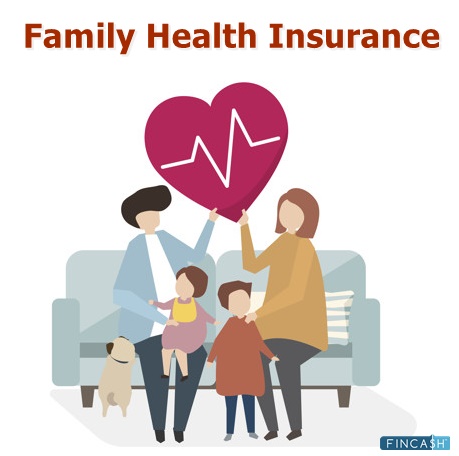
Health Insurance
It covers your medical and surgical expenses that might arise in the course of your life. Generally, health Insurance provides cashless facilities in the listed hospitals.
Modern health insurance policies may also cover day-care procedures, pre and post-hospitalisation expenses, ambulance charges, domiciliary treatment, and in some cases, wellness benefits. Many insurers also offer cashless treatment through an extensive network of hospitals, making medical emergencies financially less stressful. However, the exact coverage varies from one policy to another, making it important to read the policy document carefully before purchasing.
Motor Insurance
It covers the damages and liabilities associated with a vehicle (two-wheeler or four-wheeler) against various scenarios. It offers protection against damage to vehicle and covers for any third party liability stated by law against the owner of the vehicle.
In India, third-party motor insurance is mandatory for every vehicle owner under the Motor Vehicles Act. Vehicle owners may also choose comprehensive motor insurance, which provides wider protection by covering both third-party liabilities and damages to the insured vehicle. Additional riders such as Zero Depreciation Cover, Engine Protection Cover, and Roadside Assistance can further enhance the coverage.
Travel Insurance
It covers you from the emergencies or loss occurred during your travel. It covers you against unseen medical emergencies, theft or loss of baggage, etc.
Depending on the policy, Travel Insurance may also provide coverage for trip cancellations, flight delays, passport loss, emergency evacuation, personal liability, and accidental death while travelling domestically or internationally. Frequent travellers can also opt for annual multi-trip travel insurance plans.
Home Insurance
It covers the house and/or contents inside depending upon the scope of the policy. It secures the house from natural and man-made disasters.
Home insurance policies may protect not only the structure of the property but also valuable household contents such as furniture, appliances, jewellery, and electronic devices against risks like fire, burglary, floods, storms, earthquakes, and other covered events. The coverage depends on the policy purchased.
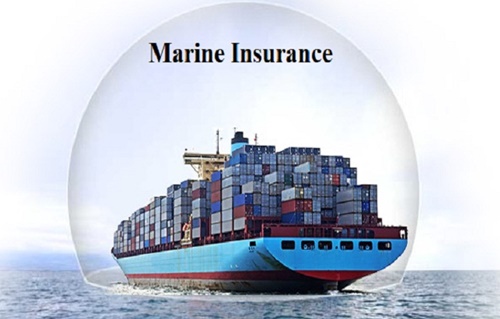
Marine Insurance
It covers the goods, cargos, etc. from the potential loss or damage during transit.
Marine Insurance is commonly used by businesses involved in domestic and international trade. It helps safeguard cargo owners, exporters, importers, and logistics companies against financial losses arising during transportation through sea, air, rail, or road, depending on the policy terms.
Commercial Insurance
It offers solutions for all fields of the industry like construction, automotive, food, power, technology, etc. The risk protection needs can differ from person to person but the basic working of an Insurance policy remains more or less the same.
Commercial insurance may include Property Insurance, liability insurance, employee health insurance, cyber insurance, business interruption insurance, professional Indemnity insurance, and other specialised covers designed to protect businesses against operational and financial risks. As businesses continue to adopt digital technologies, cyber insurance has also gained significant importance in recent years.
Which Insurance Should You Buy First?
If you are beginning your financial journey, choosing the right insurance in the right order is equally important. Financial experts generally recommend prioritising insurance based on the risks that can have the biggest financial impact.
| Priority | Insurance Type | Why It Matters |
|---|---|---|
| 1 | Health Insurance | Protects your savings against rising medical expenses. |
| 2 | Term Life Insurance | Provides financial security to your dependents in case of your untimely demise. |
| 3 | personal accident insurance | Offers protection against accidental disability and death. |
| 4 | Motor Insurance | Mandatory for vehicle owners and protects against accident-related liabilities. |
| 5 | Home Insurance | Safeguards your home and belongings from unexpected damages. |
| 6 | Travel Insurance | Recommended for domestic and international travellers to manage travel-related emergencies. |
The ideal insurance portfolio differs for every individual based on age, income, family responsibilities, lifestyle, existing assets, and financial goals. Periodically reviewing your insurance coverage ensures that your protection keeps pace with your changing needs.
Key Elements of Insurance
Here are key elements and concepts associated with insurance:
Policyholder: The person or entity that purchases an insurance policy and pays regular premiums to the insurance company is known as the policyholder or insured. The policyholder is responsible for understanding the policy terms, paying premiums on time, providing accurate information during the application process, and informing the insurer about any material changes that may affect the policy.
Insurance Company (Insurer): The insurance company is the entity that sells insurance policies and assumes the financial risk associated with covering losses or events specified in the policies. Insurance companies are regulated by the Insurance Regulatory and Development Authority of India (IRDAI), which lays down guidelines to protect policyholders' interests and ensure fair practices within the insurance industry.
Premium: The premium is the amount of money the policyholder pays to the insurance company at regular intervals (usually monthly, quarterly, or annually) to maintain the insurance coverage. Premiums can vary based on the type and amount of coverage, the policyholder's risk profile, and other factors.
Several factors influence the premium amount, including the policyholder's age, occupation, medical history, lifestyle habits, location, coverage amount, claim history, and the type of insurance being purchased. In general, higher coverage and higher risk result in a higher premium.
- Insurance Policy: An insurance policy is a legally binding contract between the policyholder and the insurance company. It outlines the terms and conditions of the coverage, including what is covered, what is excluded, the premium amount, the policy term, and other relevant details.
Before purchasing any policy, it is advisable to carefully read the policy wording, exclusions, waiting periods (where applicable), claim procedures, and renewal conditions. Understanding these details helps avoid disputes during claim settlement.
Life Insurance: Provides a payout to beneficiaries in the event of the policyholder's death. Depending on the policy type, life insurance may also offer maturity benefits, survival benefits, or investment-linked returns. However, pure term insurance focuses solely on providing financial protection and generally offers the highest coverage at the lowest premium.
Health Insurance: Covers medical expenses, including doctor visits, hospitalization, and prescription drugs. Many health insurance plan today also include cashless hospitalisation, day-care procedures, ambulance charges, pre and post-hospitalisation expenses, annual health check-ups, and restoration of the sum insured. However, the benefits differ across insurers and plans.
Property and Casualty Insurance: Protects against damage or loss of property (e.g., home, car) and liability for injuries or damage to others. These policies help individuals and businesses recover financially from losses caused by fire, theft, natural disasters, accidents, or legal liabilities arising from damage to third-party property or injuries.
Auto Insurance: Covers damage to vehicles and liability in accidents. Vehicle owners may choose between third-party insurance, which is mandatory under Indian law, and Comprehensive Insurance, which offers broader protection for both third-party liabilities and damages to the insured vehicle.
business insurance: Offers protection for businesses against various risks, including property damage, liability, and business interruption. Businesses may also purchase specialised covers such as cyber insurance, professional indemnity insurance, product liability insurance, employee group health insurance, and directors' & officers' liability insurance depending on their operational risks.
Travel Insurance: Provides coverage for unexpected events while traveling, such as trip cancellations, medical emergencies, or lost luggage. Travel insurance is particularly useful for international travel where medical treatment can be expensive. Some countries also require valid travel insurance before granting a visa.
Deductible: Some insurance policies, such as health and property insurance, may include a deductible. The deductible is the amount the policyholder must pay out of pocket before the insurance company covers the remaining costs. Generally, policies with higher deductibles have lower premiums because the policyholder agrees to bear a greater share of the loss. Choosing the right deductible depends on your financial capacity and risk tolerance.
Claim: When a covered event or loss occurs, the policyholder can file a claim with the insurance company to request compensation or benefits as per the terms of the policy.
Claims may be settled through cashless facilities (where available) or reimbursement, depending on the type of insurance and the insurer's claim process. Timely intimation and proper documentation are essential for smooth claim settlement.
- Underwriting: Insurance companies assess the risk associated with insuring a policyholder by evaluating factors such as age, health, driving history, and more. This process is known as underwriting, and it helps determine the premium rate.
Today, underwriting has become more technology-driven. Along with traditional risk assessment, insurers may use digital verification, medical records (where permitted), telematics for vehicles, fraud detection systems, and data analytics to evaluate risks more efficiently. However, underwriting decisions continue to be based on the insurer's internal guidelines and applicable regulations.
- Policyholder's Obligations: Policyholders are typically required to fulfill certain obligations, such as paying premiums on time, providing accurate information during the application process, and reporting claims promptly.
Failing to disclose important information—such as existing medical conditions, previous claims, or modifications to insured assets—may lead to claim rejection or cancellation of the policy. Maintaining complete honesty while purchasing insurance is therefore extremely important.
Additional Insurance Terms Every Buyer Should Know
While purchasing insurance, you may also come across the following commonly used terms:
| Term | Meaning |
|---|---|
| Sum Insured | The maximum amount payable by the insurer under the policy for covered losses. |
| Sum Assured | The guaranteed amount payable under a life insurance policy, subject to its terms and conditions. |
| Nominee | The person authorised to receive the policy benefits in the event of the policyholder's death. |
| Grace Period | An additional period allowed for paying the premium after the due date without immediately terminating the policy. |
| Waiting Period | A specified period during which certain claims, especially in health insurance, are not admissible except under defined circumstances. |
| Exclusions | Situations, treatments, events, or losses that are not covered under the insurance policy. |
| Rider | An optional add-on benefit that enhances the coverage of the base insurance policy. |
How Does Insurance Work?
The most basic principle behind the concept of Insurance is 'Risk Pooling'. A large number of people are ready to get insured against a particular loss or damage, and for that, they are ready to pay the desired premium. This group of people can be called the Insurance Pool.
Now, the company knows the number of interested people is very large and the probability of all of them needing the insurance cover at the same time is almost impossible. Thus, this allows the companies to collect money at regular intervals and settle claims whenever such situations arise.
The most common example of this is motor insurance. Most vehicle owners have insurance, but only a small percentage make claims every year. Thus, everyone contributes a relatively small premium, while those who suffer genuine losses receive financial assistance from the insurance pool.
So when you buy an Insurance policy, you pay a regular amount to the company as a premium. If and when you decide to make a claim, the insurer pays for the covered losses according to the policy terms.
The companies use risk data to calculate the probability of the event you are seeking insurance for. Higher the probability, higher the premium. This process is called underwriting.
Simply put, insurance spreads the financial burden of unexpected losses across a large group of policyholders instead of allowing one individual or family to bear the entire cost alone. This makes insurance one of the most effective financial risk management tools available today.
The Basic Insurance Process
Most insurance policies follow a simple lifecycle:
Step 1: Purchase the policy by selecting the required coverage.
Step 2: Pay the premium regularly.
Step 3: Stay protected during the policy period.
Step 4: If a covered event occurs, inform the insurer and submit the necessary documents.
Step 5: The insurer assesses the claim.
Step 6: If the claim satisfies the policy conditions, compensation is paid according to the policy terms.
General Principles of Insurance
There are different terms and conditions for different policies, but the three main general principles remain the same for all types:
- Cover provided for a property or item is for its actual value and does not consider any sentimental value.
- Likelihood of claims should be spread across policyholders so that insurers can calculate the probability of risk while determining premiums.
- Losses must not be deliberate.
In addition to these principles, insurance also works on the concept of financial indemnity for most general insurance policies. This means the objective is to restore the policyholder to the financial position they were in before the loss, rather than allowing them to profit from an insurance claim.
Principle of Utmost Good Faith
Apart from these points, another important concept is that an Insurance policy is a contract based on the principle of 'Utmost Good Faith'. This means both the insurer and the insured are expected to disclose all material facts honestly while entering into the insurance contract.
For example, a person purchasing health insurance should truthfully disclose existing medical conditions, previous surgeries, smoking habits (if applicable), and other relevant information requested by the insurer. Likewise, the insurer must clearly communicate the policy's benefits, exclusions, waiting periods, and claim conditions.
This duty of full disclosure protects the interests of both parties and helps ensure a smooth claim settlement process.
Why Insurance Is More Important Than Ever in India
Insurance has always been important, but its relevance has increased significantly in recent years due to changing lifestyles, economic uncertainties, and rising financial risks.
Rising Healthcare Costs
Medical inflation in India has consistently remained higher than general inflation. Treatments for serious illnesses, surgeries, or prolonged hospitalisation can cost several lakhs of rupees, making adequate health insurance essential for protecting household savings.
Increasing Lifestyle Diseases
Health conditions such as diabetes, hypertension, obesity, heart disease, and certain forms of cancer are becoming more common at younger ages. Purchasing health insurance early not only provides better financial protection but may also help secure lower premiums compared to buying insurance later in life.
Growing Financial Responsibilities
As people take home loans, vehicle loans, education loans, and support their families, the financial consequences of an unexpected event become much greater. Life insurance and personal accident insurance can help reduce this financial burden on dependants.
Climate and Natural Disaster Risks
Floods, cyclones, earthquakes, and other natural calamities have become increasingly frequent in many regions. Appropriate home, property, crop, and commercial insurance policies can help individuals and businesses recover more quickly from such losses.
Digital Economy and Cyber Risks
As financial transactions, online shopping, and digital banking continue to grow, cyber-related risks have also increased. Businesses increasingly rely on cyber insurance to protect themselves against financial losses arising from cyber incidents and data breaches.
Peace of Mind
Perhaps the biggest benefit of insurance is peace of mind. Knowing that your family, health, property, or business is financially protected allows you to focus on achieving your long-term goals without constantly worrying about unexpected financial setbacks.
How to Choose the Right Insurance Policy
Buying insurance should never be based solely on the premium amount. The right insurance policy is one that provides adequate financial protection while matching your needs, lifestyle, and long-term financial goals. Since every individual has different responsibilities and risk exposure, there is no one-size-fits-all policy.
Here are some important factors to consider before purchasing an insurance policy:
1. Assess Your Insurance Needs
Start by understanding what you want to protect. For example, if you have financial dependants, life insurance should be a priority. If you are concerned about rising medical expenses, health insurance becomes essential. Vehicle owners require motor insurance, while frequent travellers may benefit from travel insurance.
2. Choose Adequate Coverage
Many people buy insurance with insufficient coverage simply to reduce premiums. However, inadequate coverage can leave you financially exposed during emergencies. Consider factors such as your income, existing liabilities, family responsibilities, healthcare costs, and future financial goals while deciding the coverage amount.
3. Compare Different Policies
Do not purchase the first policy you come across. Compare multiple insurers based on coverage, exclusions, premium, claim settlement process, customer service, network hospitals (for health insurance), add-on benefits, and policy flexibility.
4. Understand What Is Covered
Always read the policy document carefully to understand the inclusions. Every insurance policy specifies the situations in which the insurer will compensate you. Knowing these details helps avoid confusion during claim settlement.
5. Check the Exclusions
Exclusions are equally important because they specify what the policy does not cover. Common exclusions may include pre-existing conditions during the waiting period, intentional damage, illegal activities, wear and tear, cosmetic treatments, or losses arising from excluded events depending on the type of insurance.
6. Review Waiting Periods
Health insurance policies often include waiting periods for pre-existing diseases, specified illnesses, and maternity benefits. Understanding these waiting periods helps you avoid unpleasant surprises when making a claim.
7. Evaluate the Claim Settlement Process
A good insurance policy should not only offer comprehensive coverage but also have a smooth and transparent claim settlement process. Check whether the insurer offers cashless facilities, digital claim tracking, customer support, and an efficient claims procedure.
8. Consider Add-on Covers (Riders)
Many insurers allow policyholders to enhance their protection through optional riders. Examples include critical illness cover, accidental death benefit, waiver of premium, zero depreciation cover for vehicles, engine protection, and roadside assistance. Select only those riders that genuinely improve your financial protection.
9. Review the Policy Regularly
Your insurance requirements change over time. Marriage, children, higher income, home ownership, business expansion, or retirement may require you to increase your insurance coverage. Reviewing your policies periodically helps ensure they continue to meet your financial needs.
8. Things to Check Before Buying Insurance
Purchasing insurance is a long-term financial decision. Spending a little extra time understanding the policy can help avoid claim-related issues in the future. Before buying any insurance policy, make sure you carefully evaluate the following aspects.
Policy Coverage
Read the policy document to understand exactly what risks are covered. Never assume that every policy offers identical benefits, even if two policies belong to the same category.
Coverage Amount
Choose an adequate sum insured or sum assured based on your financial situation rather than selecting the minimum available coverage. Underinsurance can reduce the effectiveness of the policy during emergencies.
Premium Affordability
While affordability is important, the cheapest policy may not always provide the best protection. Focus on the value offered rather than choosing a policy solely because it has a lower premium.
Waiting Period
Health insurance policies often impose waiting periods for certain illnesses, pre-existing diseases, maternity benefits, and specified treatments. Understanding these timelines is essential before purchasing the policy.
Policy Exclusions
Every insurance policy has exclusions. Reading this section carefully helps you understand situations where claims may not be payable.
Claim Settlement Support
Check whether the insurer offers cashless claims, digital claim tracking, dedicated customer support, and an efficient grievance redressal mechanism. A smooth claim experience can be just as important as comprehensive coverage.
Renewal Conditions
Some policies offer lifelong renewability, while others may have specific conditions. Understanding the renewal provisions ensures continuous protection over the long term.
Free-Look Period
Most life and health insurance policies provide a free-look period during which the policyholder may review the policy and return it if they disagree with its terms and conditions, subject to applicable regulations and policy provisions.
Nominee Details
Always appoint the correct nominee and update the nomination whenever there is a significant life event such as marriage or the birth of a child. This helps ensure a smoother claim settlement process for your family.
Policy Documents
Keep copies of your policy documents, premium receipts, nominee details, and emergency contact numbers safely. Inform your family members about the existence of your insurance policies so they know how to raise a claim if required.
Common Mistakes People Make While Buying Insurance
Avoid these common mistakes that may reduce the effectiveness of your insurance coverage:
- Buying insurance only to save tax.
- Choosing the cheapest premium without comparing coverage.
- Purchasing insufficient coverage.
- Ignoring policy exclusions.
- Not disclosing existing medical conditions or previous claims.
- Delaying insurance purchases until later in life.
- Failing to review insurance policies after major life events.
- Not updating nominee details.
- Allowing policies to lapse due to missed premium payments.
Conclusion
Every sound Financial plan is backed by risk protection. A suitable cover for you is determined by your needs and current financial situation. You should review and recheck the expenses covered in your policy and evaluate its impact on your current financial health. There are a lot of ifs and butEvery sound financial plan is backed by risk protection. A suitable cover for you is determined by your needs, responsibilities, goals, and current financial situation. You should review the expenses covered in your policy, understand the exclusions, and evaluate whether the coverage is adequate for your present lifestyle and future requirements.
Insurance is not merely a financial product—it is a safety mechanism that helps protect your savings, investments, family, health, property, and long-term goals from unexpected events. Whether it is a medical emergency, an accident, loss of income, damage to property, or an unforeseen liability, the right insurance policy can significantly reduce the financial stress associated with such situations.
As healthcare costs rise, financial responsibilities increase, and risks become more diverse, having adequate insurance has become an essential part of responsible financial planning. However, buying insurance should not be a rushed decision. It is important to understand what type of protection you need, why you need it, what is covered, what is excluded, and how the claim process works.
Equally important is the principle of utmost good faith. Both the insurer and the policyholder should provide accurate and complete information so that the insurance contract remains transparent and fair for both parties.
Ultimately, the best insurance policy is not necessarily the cheapest one, but the one that provides the right amount of protection when you need it the most. Staying informed, reviewing your policies periodically, and choosing coverage that matches your changing life goals can help you build a stronger and more secure financial future.s involved but the basic fundamentals of the working remain constant over all types of Insurance. You must be clear about what type of risk protection you are buying, why are you buying and what all is covered in the contract. It is also important for both the parties to act in 'utmost good faith' so that the whole process of insurance is crystal clear and less troublesome. And as the case with every financial product, you must be well-versed and informed about the product you are buying and get sound advice from your financial consultant.
FAQs
1. What does risk pool mean?
A: Risk pooling means small groups of individual pools with money for better insurance rates and coverage plans. The buying power improves because instead of approaching the insurance company as an individual, you are approaching it as a company. This can be made on behalf of employees by companies or by cooperative societies.
Insurance companies also carry out risk pooling. They come together to protect one another with insurance coverage that
2. Why should I purchase insurance?
A: With the help of a policy, you can effectively transfer a potential loss to the insurance company. You can do so for the exchange of a fee known as 'insurance premium.' The benefit of insurance is that it protects your savings in case of an unprecedented expense.
3. Who stands to benefit if I purchase an insurance?
A: Both the insurer and the insured stands to benefit when you purchase an insurance policy. As the insured, you are safe in the knowledge that you will be protected against a potential loss. Similarly, the insurance company uses the money you pay as a premium to create better business models and assets.
4. What should I look for while purchasing insurance?
A: When you purchase an insurance policy, you should check the premium and coverage. These should be as per your requirements.
5. What is ‘underwriting’?
A: Underwriting is a service provided by insurance companies where the firms act as guarantors to insured individuals. However, insurance companies can ask individuals seeking underwriting services to provide them with shares or prosperities as security deposits.
6. Do the terms and conditions differ based on the policies I purchase?
A: Yes, the policy's terms and conditions will differ depending on the type of insurance policy you purchase. The two main types of insurances are life insurance and home insurance. Under general insurance comes health, travel, home, corporate, and vehicle insurance. Depending on the policy you purchase, your terms, conditions, and the premiums payable will differ.
7. Can I purchase more than one insurance policy?
A: Yes, an individual can purchase different types of policies. There are also no limitations to the number of life insurance policies that an individual can purchase. However, for a vehicle, you will need to purchase only one vehicle insurance policy.
8. Is there any insurance that is compulsory?
A: Yes, for owners of vehicles, it is compulsory to purchase a vehicle insurance policy. Otherwise, you will get into legal hassles.
9. What is the importance of health insurance?
A: A health insurance policy or medical insurance will protect you against unprecedented medical or hospitalization expenses. If you purchase medical insurance, your savings will be protected, in case you have to be hospitalized suddenly. All expenses, such as doctor's fees, hospitalization charges, ambulance fees, OT charges, and medicine, will be covered under the insurance policy. Thus, your savings will be protected.
10. What is insurance premium?
A: An insurance premium is an amount that the insured individual has to pay periodically to the insurance company to purchase the policy. When you purchase an insurance policy, the risk is transferred to the company. Hence, the company charges a fee, which is known as an insurance premium.
11. How is the premium calculated?
A: Insurance companies use mathematical calculations and statistics to evaluate the value of insurance premiums they will charge their clients. Different parameters are used for calculating premiums for different insurance policies. For example, while calculating the premium for a medical insurance policy, age, health, medical history, and other similar factors are considered. Similarly, for other insurance policies, life history and credit scores are taken into consideration.
12. Can I get back the premium if I don’t claim the insurance?
A: If you cancel your life insurance policy after having paid the premiums regularly, you can claim a refund of the premiums at least partially. However, it will depend on the terms and conditions of the insurance policy. But you cannot claim the premium on the expiration of the policy.
All efforts have been made to ensure the information provided here is accurate. However, no guarantees are made regarding correctness of data. Please verify with scheme information document before making any investment.
You Might Also Like








AMFI Registration No. 112358 | CIN: U74999MH2016PTC282153
Shepard Technologies Pvt. Ltd. (with ARN code 112358) makes no warranties or representations, express or implied, on products offered through the platform. It accepts no liability for any damages or losses, however caused, in connection with the use of, or on the reliance of its product or related services. Terms and conditions of the website are applicable.
©2026 Shepard Technologies Private Limited. All Rights Reserved
Use full and important Awareness about health insurance
Very Nice Content