
 +91-22-48913909
غیر فعال سرمایہ کاری
غیر فعالسرمایہ کاری دنیا بھر میں سرمایہ کاری کی ایک مقبول حکمت عملی ہے۔ اس حکمت عملی کا مقصد کم از کم فروخت اور خریداری کے ساتھ زیادہ سے زیادہ منافع حاصل کرنا ہے۔
غیر فعال سرمایہ کاری کیا ہے؟
غیر فعال سرمایہ کاری کی حکمت عملی کا مقصد لاگت کو ہر ممکن حد تک کم رکھنا ہے، لیکن منافع کو بڑھانا ہے۔ یہ حکمت عملی کسی بھی فیس یا محدود کارکردگی سے بچنے کے لیے نظر آتی ہے جو اکثر ٹریڈنگ کے ساتھ ہوتی ہے۔ یہ آہستہ آہستہ دولت کی تعمیر پر توجہ مرکوز کرتا ہے۔
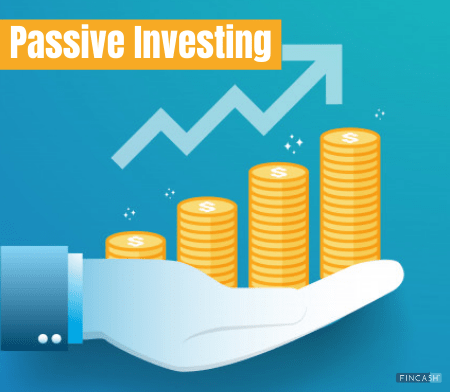
یہ طویل مدتی کے لیے سیکیورٹی خریدنے پر زور دیتا ہے اور اسی لیے اسے خریدو اور ہولڈ حکمت عملی کے نام سے بھی جانا جاتا ہے۔ اس کا مطلب یہ ہے کہ یہ طویل مدتی ہولڈنگز کا ایک اچھا مجموعہ خریدنے پر توجہ مرکوز کرتا ہے جو مختلف صنعتوں، شعبوں،مارکیٹ بڑے بڑے سائز اور ممالک۔ حالات میں پریشانی کے باوجود یہ ہولڈنگز تقریبا کسی بھی حالت میں کبھی فروخت نہیں ہوتے ہیں۔
غیر فعال سرمایہ کاری زیادہ تر حالات میں اچھی طرح سے کام کرتی ہے کیونکہ سرمایہ کار ان کے اپنے غیر معقول رویے سے محفوظ رہتے ہیں۔ سرمایہ کار گھبراہٹ کا شکار ہیں یا ان کے بارے میں بہت کم یا کوئی علم نہیں رکھتے ہیں۔حساب کتاب اور وقت کی پابندیوں کے ساتھ فنانس۔ غیر فعال سرمایہ کاری کی حکمت عملی کم قیمت پر سرمایہ کاری کرنے اور طویل مدتی میں منافع حاصل کرنے میں مدد کرتی ہے۔
غیر فعال سرمایہ کاری اور انڈیکس فنڈز
غیر فعال سرمایہ کاری کی حکمت عملی پر صرف پچھلی چند دہائیوں میں ہی توجہ دی گئی ہے۔انڈیکس فنڈز ڈالر کی لاگت کے اوسط طریقہ کے ذریعے باقاعدہ خریداریوں کے ساتھ ساتھ دیگر اضافی خریداریوں میں مدد کرکے اس حکمت عملی کا پورا فائدہ اٹھانے میں مدد کریں۔
انڈیکس فنڈز 1970 کی دہائی میں متعارف کرائے گئے تھے۔ اس نے مارکیٹ میں کچھ کامیاب واپسی کی۔ 1990 کی دہائی میں، ETFs جو SPDR S&P 500 جیسے بڑے اشاریوں کو ٹریک کرتا ہے۔ای ٹی ایف (SPY)، سرمایہ کاروں کو اسٹاک کی طرح انڈیکس فنڈز کی تجارت کرنے دے کر اس عمل کو آسان بنا دیا۔
Talk to our investment specialist
غیر فعال سرمایہ کاری کے فوائد
اشاریہ سازی کے ذریعے غیر فعال سرمایہ کاری تنوع کا ایک شاندار طریقہ ہے۔ سرمایہ کاروں کے لیے کامیابی کے ساتھ سرمایہ کاری کرنے کے لیے ایک متنوع پورٹ فولیو کو برقرار رکھنا ضروری ہے۔
1. کم فیس
چونکہ اسٹاک لینے کے لیے کوئی فنڈ مینجمنٹ ٹیم نہیں ہے، یہ کم قیمت پر آتی ہے۔ غیر فعال اسٹاک اس انڈیکس کی پیروی کرتے ہیں جسے وہ بینچ مارک کے طور پر استعمال کرتے ہیں۔
2. کارکردگی
غیر فعال سرمایہ کاری ایک خریدو اور ہولڈ حکمت عملی ہے، جو سرمایہ کاروں کو طویل مدتی کے لیے اپنے اسٹاک کا اندازہ لگانے اور رکھنے میں مدد کرتی ہے۔ لہذا،سرمایہ کار کوئی بڑے پیمانے پر نہیں دیکھا جائے گاسرمایہ حاصل ایک سال کے اندر، جو ٹیکس کی طرف جاتا ہےکارکردگی.
3. شفافیت
اس کا بڑا فائدہ یہ ہے کہ جب غیر فعال سرمایہ کاری انڈیکس فنڈز کے ذریعے کی جاتی ہے۔ اس کی وجہ یہ ہے کہ جب انڈیکس فنڈز کی بات کی جائے تو اثاثے واضح طور پر نظر آتے ہیں۔
4. نفاذ میں آسانی
چونکہ اس میں انڈیکس فنڈز شامل ہوتے ہیں، اس لیے انڈیکس کا ایک گروپ زیادہ متحرک حکمت عملی کے مقابلے میں لاگو کرنا اور سمجھنا بھی آسان ہے۔ متحرک حکمت عملیوں میں مستقل تحقیق اور ایڈجسٹمنٹ شامل ہوتی ہے۔
غیر فعال سرمایہ کاری اور فعال سرمایہ کاری کے درمیان فرق
غیر فعال سرمایہ کاری اور فعال سرمایہ کاری کی حکمت عملیوں میں کچھ فرق ہوتے ہیں۔
ان کا ذکر ذیل میں کیا جاتا ہے:
| غیر فعال سرمایہ کاری | فعال سرمایہ کاری |
|---|---|
| غیر فعال سرمایہ کاری میں کم لاگت شامل ہے۔ | فعال خریداری وغیرہ کی وجہ سے فعال سرمایہ کاری بہت مہنگی ہے۔ |
| غیر فعال سرمایہ کاری ایک خاص انڈیکس یا پہلے سے طے شدہ سرمایہ کاری کے سیٹ تک محدود ہے جس میں کسی تغیر کی گنجائش نہیں ہے۔ | فعال سرمایہ کاری میں اسٹاک کی خریداری میں لچک شامل ہوتی ہے اور اسے کسی مخصوص انڈیکس کی پیروی کرنے کی ضرورت نہیں ہوتی ہے۔ |
غیر فعال سرمایہ کاری کی حکمت عملیوں کی اقسام
غیر فعال سرمایہ کاری انڈیکس فنڈز یا ETFs کے ساتھ منسلک پورٹ فولیوز کے بارے میں ہے۔ تاہم، ذیل میں بیان کردہ حکمت عملیوں پر ایک نظر ڈالیں:
1. انڈیکس فنڈ
ایک سرمایہ کار اس حکمت عملی سے مکمل فائدہ اٹھانے کے لیے انڈیکس فنڈز خرید سکتا ہے۔ انڈیکس فنڈ پورے انڈیکس اسٹاک کو انڈیکس کے اسی تناسب سے خریدتا ہے۔ اسے تقسیم کاروں اور فنڈ ہاؤسز سے آن لائن خریدا جا سکتا ہے۔ انڈیکس فنڈز کا ایک بڑا فائدہ یہ ہے کہ ایکٹو فنڈز کے مقابلے لاگت انتہائی کم ہے۔
2. ایکسچینج ٹریڈ فنڈز
ایکسچینج ٹریڈ فنڈز (ETFs) انڈیکس فنڈ کے تناسب سے انڈیکس اسٹاک کا ایک پورٹ فولیو بناتے ہیں۔ تاہم، ETFs اسٹاک ایکسچینج میں درج ہیں اور مشہور معروف اسٹاک ایکسچینج میں خریدے اور فروخت کیے جاسکتے ہیں۔ سرمایہ کار سونے، چاندی، ایکویٹی انڈیکس، ڈیٹ مارکیٹ انڈیکس وغیرہ پر ETFs حاصل کر سکتے ہیں۔ اسے سرمایہ کار کی موجودہ ایکویٹی کے ذریعے خریدا اور فروخت کیا جا سکتا ہے۔تجارتی اکاؤنٹ اور باقاعدہ کے تحت منعقد کیا جا سکتا ہےڈیمیٹ اکاؤنٹ.
3. براہ راست ایکویٹی
سرمایہ کار غیر فعال سرمایہ کاری کی حکمت عملی کو براہ راست ایکوئٹی کے ساتھ بھی استعمال کر سکتے ہیں۔ لیکن چیلنج ٹریکنگ انڈیکس کی تبدیلیوں، وزن میں تبدیلیوں، کارپوریٹ ایکشنز وغیرہ میں ہوگا۔
غیر فعال سرمایہ کاری کے 4 اہم نکات
اگر آپ غیر فعال سرمایہ کاری کی حکمت عملی کو ذہن میں رکھتے ہوئے سرمایہ کاری کے خواہاں ہیں، تو کچھ ایسی چیزیں ہیں جن سے آپ کو آگاہ ہونا چاہیے۔ ان کا ذکر ذیل میں کیا جاتا ہے:
1. طویل مدتی منصوبہ
اگر آپ طویل مدتی سرمایہ کاری کے منتظر ہیں، تو آپ کو اس حکمت عملی کا انتخاب کرنا چاہیے۔ بصورت دیگر، سرمایہ کاری کے لیے دیگر اختیارات پر غور کرنے کا مشورہ دیا جاتا ہے۔
2. کم خرچ کرنا چاہتے ہیں۔
ایک سرمایہ کار کے طور پر، اگر آپ مختلف وجوہات کی بنا پر کم خرچ کرنا چاہتے ہیں، تو ایک غیر فعال سرمایہ کاری کی حکمت عملی پر غور کیا جا سکتا ہے۔
3. وقت کی پابندیاں
ایک سرمایہ کار کے طور پر، اگر آپ اثاثوں کے انتظام میں زیادہ وقت نہیں لگانا چاہتے، تو یہ حکمت عملی آپ کے لیے مثالی ہوگی۔
4. مداخلت میں دشواری
اگر آپ کوئی ایسی حکمت عملی تلاش کر رہے ہیں جو آپ کی سرمایہ کاری میں مداخلت نہ کرنے سے نمٹنے میں آپ کی مدد کرے، تو آپ کو غیر فعال سرمایہ کاری کی حکمت عملی کا انتخاب کرنا چاہیے۔ یہ آپ کو گھبراہٹ یا پریشانی کے دور میں اپنی سرمایہ کاری میں مداخلت کرنے سے اپنے آپ کو دور رکھنے میں مدد کرے گا۔ اس سے آپ کو مداخلت سے نمٹنے میں مدد ملے گی جو عام طور پر باقاعدگی سے سرمایہ کاری میں مسئلہ ہوتا ہے۔
پورٹ فولیو کو کثرت سے چیک کرنے سے کھیل میں مختلف جذبات پیدا ہوں گے جیسے زیادہ جوش یا حوصلہ شکنی اور گھبراہٹ۔ ایسے وقت میں، سرمایہ کار رقوم کی منتقلی کے پابند ہیں۔ یہ غیر فعال سرمایہ کاری کے بنیادی اصول کے خلاف ہے۔
غیر فعال سرمایہ کاری ہندوستان میں ایک اعزاز
ہندوستان میں، ایکسچینج ٹریڈڈ فنڈز (ETFs) میں غیر فعال سرمایہ کاری کی حکمت عملی زور پکڑ رہی ہے۔ ایسوسی ایشن کے اعداد و شمار کے مطابقباہمی چندہ ہندوستان میں (اے ایم ایف آئی)، ETFs نے Rs. مالی سال 2020 کے پہلے آٹھ مہینوں میں 24,083 کروڑ۔بڑے کیپ فنڈز اور اس کی بنیاد پر کل آمد کا نصفایکویٹی فنڈز وقت کے دوران. لہذا، اپریل اور نومبر 2019 کے درمیان ایکویٹی اسکیم میں مشترکہ بہاؤ روپے تھا۔ 48,891 کروڑ۔
ایک رپورٹ میں بتایا گیا ہے کہ اخراجات کا کم تناسب، لاج کیپ اسٹاکس کے لیے مارکیٹ پولرائزیشن، لاج کیپ فنڈز کے ساتھ بدلتے ہوئے منافع، ETFs کے ذریعے ایکویٹی مارکیٹ میں پراویڈنٹ فنڈز کی سرمایہ کاری اس اضافے میں اہم کردار ادا کرتی ہے۔
بہترین غیر فعال سرمایہ کاری فنڈز 2022 - 2023
یہاں بہترین انڈیکس ہیں۔غیر فعال فنڈز آپ سرمایہ کاری کا انتخاب کر سکتے ہیں:
Fund NAV Net Assets (Cr) 3 MO (%) 6 MO (%) 1 YR (%) 3 YR (%) 5 YR (%) 2025 (%) LIC MF Index Fund Sensex Growth ₹137.965
↓ -0.27 ₹87 -4.8 -6.7 -12.5 4.2 4.1 9.1 Nippon India Index Fund - Sensex Plan Growth ₹37.7254
↓ -0.07 ₹874 -4.7 -6.5 -12.2 4.7 4.5 9.8 IDBI Nifty Index Fund Growth ₹36.2111
↓ -0.02 ₹208 9.1 11.9 16.2 20.3 11.7 Franklin India Index Fund Nifty Plan Growth ₹185.074
↓ -0.63 ₹654 -5.6 -6.7 -11.2 5.9 5.2 11.3 ICICI Prudential Nifty Next 50 Index Fund Growth ₹59.4631
↓ -0.92 ₹9,744 -6.9 -4.5 -2.5 14.9 9.5 2.1 Note: Returns up to 1 year are on absolute basis & more than 1 year are on CAGR basis. as on 21 Oct 26 Research Highlights & Commentary of 5 Funds showcased
Commentary LIC MF Index Fund Sensex Nippon India Index Fund - Sensex Plan IDBI Nifty Index Fund Franklin India Index Fund Nifty Plan ICICI Prudential Nifty Next 50 Index Fund Point 1 Bottom quartile AUM (₹87 Cr). Upper mid AUM (₹874 Cr). Bottom quartile AUM (₹208 Cr). Lower mid AUM (₹654 Cr). Highest AUM (₹9,744 Cr). Point 2 Established history (23+ yrs). Established history (16+ yrs). Established history (16+ yrs). Oldest track record among peers (26 yrs). Established history (16+ yrs). Point 3 Rating: 1★ (lower mid). Rating: 2★ (upper mid). Rating: 1★ (bottom quartile). Rating: 1★ (bottom quartile). Top rated. Point 4 Risk profile: Moderately High. Risk profile: Moderately High. Risk profile: Moderately High. Risk profile: Moderately High. Risk profile: Moderately High. Point 5 5Y return: 4.05% (bottom quartile). 5Y return: 4.51% (bottom quartile). 5Y return: 11.74% (top quartile). 5Y return: 5.21% (lower mid). 5Y return: 9.53% (upper mid). Point 6 3Y return: 4.16% (bottom quartile). 3Y return: 4.72% (bottom quartile). 3Y return: 20.28% (top quartile). 3Y return: 5.89% (lower mid). 3Y return: 14.92% (upper mid). Point 7 1Y return: -12.54% (bottom quartile). 1Y return: -12.17% (bottom quartile). 1Y return: 16.16% (top quartile). 1Y return: -11.24% (lower mid). 1Y return: -2.51% (upper mid). Point 8 1M return: -1.58% (lower mid). 1M return: -1.55% (upper mid). 1M return: 3.68% (top quartile). 1M return: -2.56% (bottom quartile). 1M return: -6.20% (bottom quartile). Point 9 Alpha: -1.10 (bottom quartile). Alpha: -0.55 (top quartile). Alpha: -1.03 (bottom quartile). Alpha: -0.58 (upper mid). Alpha: -0.87 (lower mid). Point 10 Sharpe: -0.83 (bottom quartile). Sharpe: -0.80 (bottom quartile). Sharpe: 1.04 (top quartile). Sharpe: -0.70 (lower mid). Sharpe: -0.01 (upper mid). LIC MF Index Fund Sensex
Nippon India Index Fund - Sensex Plan
IDBI Nifty Index Fund
Franklin India Index Fund Nifty Plan
ICICI Prudential Nifty Next 50 Index Fund
*نیچے انڈیکس میوچل فنڈز کی فہرست دی گئی ہے جو کم از کم رکھتے ہیں۔15 کروڑ یا اس سے زیادہ نیٹ اثاثوں میں۔
The main investment objective of the fund is to generate returns commensurate with the performance of the index either Nifty / Sensex based on the plans by investing in the respective index stocks subject to tracking errors. Below is the key information for LIC MF Index Fund Sensex Returns up to 1 year are on The primary investment objective of the scheme is to replicate the composition of the Sensex, with a view to generate returns that are commensurate with the performance of the Sensex, subject to tracking errors. Research Highlights for Nippon India Index Fund - Sensex Plan Below is the key information for Nippon India Index Fund - Sensex Plan Returns up to 1 year are on The investment objective of the scheme is to invest in the stocks and equity related instruments comprising the S&P CNX Nifty Index in the same weights as these stocks represented in the Index with the intent to replicate the performance of the Total Returns Index of S&P CNX Nifty index. The scheme will adopt a passive investment strategy and will seek to achieve the investment objective by minimizing the tracking error between the S&P CNX Nifty index (Total Returns Index) and the scheme. Research Highlights for IDBI Nifty Index Fund Below is the key information for IDBI Nifty Index Fund Returns up to 1 year are on The Investment Objective of the Scheme is to invest in companies whose securities are included in the Nifty and subject to tracking errors, endeavouring to attain results commensurate with the Nifty 50 under NSENifty Plan Research Highlights for Franklin India Index Fund Nifty Plan Below is the key information for Franklin India Index Fund Nifty Plan Returns up to 1 year are on The fund's objective is to invest in companies whose securities are included in Nifty Junior Index and to endeavor to achieve the returns of the above index as closely as possible, though subject to tracking error. The fund intends to track only 90-95% of the Index i.e. it will always keep cash balance between 5-10% of the Net Asset to meet the redemption and other liquidity requirements. However, as and when the liquidity in the Index improves the fund intends to track up to 100% of the Index. The fund will not seek to outperform the CNX Nifty Junior. The objective is that the performance of the NAV of the fund should closely track the performance of the CNX Nifty Junior over the same period subject to tracking error. Research Highlights for ICICI Prudential Nifty Next 50 Index Fund Below is the key information for ICICI Prudential Nifty Next 50 Index Fund Returns up to 1 year are on 1. LIC MF Index Fund Sensex
LIC MF Index Fund Sensex
Growth Launch Date 14 Nov 02 NAV (21 Oct 26) ₹137.965 ↓ -0.27 (-0.20 %) Net Assets (Cr) ₹87 on 30 Sep 26 Category Others - Index Fund AMC LIC Mutual Fund Asset Mgmt Co Ltd Rating ☆ Risk Moderately High Expense Ratio 1.02 Sharpe Ratio -0.83 Information Ratio -10.1 Alpha Ratio -1.1 Min Investment 5,000 Min SIP Investment 1,000 Exit Load 0-1 Months (1%),1 Months and above(NIL) Growth of 10,000 investment over the years.
Date Value 30 Sep 21 ₹10,000 30 Sep 22 ₹9,731 30 Sep 23 ₹11,194 30 Sep 24 ₹14,348 30 Sep 25 ₹13,672 30 Sep 26 ₹12,357 Returns for LIC MF Index Fund Sensex
absolute basis & more than 1 year are on CAGR (Compound Annual Growth Rate) basis. as on 21 Oct 26 Duration Returns 1 Month -1.6% 3 Month -4.8% 6 Month -6.7% 1 Year -12.5% 3 Year 4.2% 5 Year 4.1% 10 Year 15 Year Since launch 12% Historical performance (Yearly) on absolute basis
Year Returns 2025 9.1% 2024 8.2% 2023 19% 2022 4.6% 2021 21.9% 2020 15.9% 2019 14.6% 2018 5.6% 2017 27.4% 2016 1.6% Fund Manager information for LIC MF Index Fund Sensex
Name Since Tenure Nikhil Kapoor 7 Apr 26 0.4 Yr. Sasikant Aravamuthan 1 Jul 26 0.17 Yr. Data below for LIC MF Index Fund Sensex as on 30 Sep 26
Asset Allocation
Asset Class Value Cash 0.4% Equity 99.6% Top Securities Holdings / Portfolio
Name Holding Value Quantity HDFC Bank Ltd (Financial Services)
Equity, Since 31 Mar 09 | HDFCBANK12% ₹11 Cr 152,908
↑ 1,202 ICICI Bank Ltd (Financial Services)
Equity, Since 30 Apr 09 | 53217412% ₹11 Cr 72,541
↑ 1,266 Reliance Industries Ltd (Energy)
Equity, Since 31 Mar 09 | RELIANCE10% ₹9 Cr 67,565
↑ 256 Bharti Airtel Ltd (Communication Services)
Equity, Since 30 Apr 09 | BHARTIARTL6% ₹6 Cr 30,665
↑ 873 Larsen & Toubro Ltd (Industrials)
Equity, Since 31 Mar 09 | LT5% ₹5 Cr 11,642 State Bank of India (Financial Services)
Equity, Since 31 Mar 09 | SBIN5% ₹4 Cr 41,357 Infosys Ltd (Technology)
Equity, Since 31 Mar 09 | INFY4% ₹4 Cr 34,713 Axis Bank Ltd (Financial Services)
Equity, Since 31 Dec 13 | 5322154% ₹4 Cr 28,461 Kotak Mahindra Bank Ltd (Financial Services)
Equity, Since 30 Jun 17 | KOTAKBANK3% ₹3 Cr 73,132 Mahindra & Mahindra Ltd (Consumer Cyclical)
Equity, Since 31 Mar 12 | M&M3% ₹3 Cr 8,907 2. Nippon India Index Fund - Sensex Plan
Nippon India Index Fund - Sensex Plan
Growth Launch Date 28 Sep 10 NAV (21 Oct 26) ₹37.7254 ↓ -0.07 (-0.20 %) Net Assets (Cr) ₹874 on 30 Sep 26 Category Others - Index Fund AMC Nippon Life Asset Management Ltd. Rating ☆☆ Risk Moderately High Expense Ratio 0.49 Sharpe Ratio -0.8 Information Ratio -11.95 Alpha Ratio -0.55 Min Investment 5,000 Min SIP Investment 100 Exit Load 0-7 Days (0.25%),7 Days and above(NIL) Growth of 10,000 investment over the years.
Date Value 30 Sep 21 ₹10,000 30 Sep 22 ₹9,772 30 Sep 23 ₹11,261 30 Sep 24 ₹14,510 30 Sep 25 ₹13,915 30 Sep 26 ₹12,631 Returns for Nippon India Index Fund - Sensex Plan
absolute basis & more than 1 year are on CAGR (Compound Annual Growth Rate) basis. as on 21 Oct 26 Duration Returns 1 Month -1.5% 3 Month -4.7% 6 Month -6.5% 1 Year -12.2% 3 Year 4.7% 5 Year 4.5% 10 Year 15 Year Since launch 8.6% Historical performance (Yearly) on absolute basis
Year Returns 2025 9.8% 2024 8.9% 2023 19.5% 2022 5% 2021 22.4% 2020 16.6% 2019 14.2% 2018 6.2% 2017 27.9% 2016 2% Fund Manager information for Nippon India Index Fund - Sensex Plan
Name Since Tenure Himanshu Mange 23 Dec 23 2.69 Yr. Data below for Nippon India Index Fund - Sensex Plan as on 30 Sep 26
Asset Allocation
Asset Class Value Cash 0.05% Equity 99.95% Top Securities Holdings / Portfolio
Name Holding Value Quantity HDFC Bank Ltd (Financial Services)
Equity, Since 31 Oct 10 | HDFCBANK12% ₹110 Cr 1,553,097
↑ 7,360 ICICI Bank Ltd (Financial Services)
Equity, Since 31 Oct 10 | 53217411% ₹106 Cr 730,561
↑ 3,462 Reliance Industries Ltd (Energy)
Equity, Since 31 Oct 10 | RELIANCE10% ₹89 Cr 689,474
↑ 3,267 Bharti Airtel Ltd (Communication Services)
Equity, Since 31 Oct 10 | BHARTIARTL6% ₹57 Cr 310,448
↑ 1,471 Larsen & Toubro Ltd (Industrials)
Equity, Since 29 Feb 12 | LT5% ₹48 Cr 119,152
↑ 565 State Bank of India (Financial Services)
Equity, Since 31 Oct 10 | SBIN5% ₹45 Cr 423,265
↑ 2,006 Infosys Ltd (Technology)
Equity, Since 31 Oct 10 | INFY4% ₹40 Cr 355,406
↑ 1,684 Axis Bank Ltd (Financial Services)
Equity, Since 31 Dec 13 | 5322154% ₹37 Cr 291,491
↑ 1,381 Kotak Mahindra Bank Ltd (Financial Services)
Equity, Since 30 Jun 17 | KOTAKBANK3% ₹31 Cr 750,013
↑ 3,554 Mahindra & Mahindra Ltd (Consumer Cyclical)
Equity, Since 31 Oct 10 | M&M3% ₹30 Cr 91,234
↑ 432 3. IDBI Nifty Index Fund
IDBI Nifty Index Fund
Growth Launch Date 25 Jun 10 NAV (28 Jul 23) ₹36.2111 ↓ -0.02 (-0.06 %) Net Assets (Cr) ₹208 on 30 Jun 23 Category Others - Index Fund AMC IDBI Asset Management Limited Rating ☆ Risk Moderately High Expense Ratio 0.9 Sharpe Ratio 1.04 Information Ratio -3.93 Alpha Ratio -1.03 Min Investment 5,000 Min SIP Investment 500 Exit Load NIL Growth of 10,000 investment over the years.
Date Value Returns for IDBI Nifty Index Fund
absolute basis & more than 1 year are on CAGR (Compound Annual Growth Rate) basis. as on 21 Oct 26 Duration Returns 1 Month 3.7% 3 Month 9.1% 6 Month 11.9% 1 Year 16.2% 3 Year 20.3% 5 Year 11.7% 10 Year 15 Year Since launch 10.3% Historical performance (Yearly) on absolute basis
Year Returns 2025 2024 2023 2022 2021 2020 2019 2018 2017 2016 Fund Manager information for IDBI Nifty Index Fund
Name Since Tenure Data below for IDBI Nifty Index Fund as on 30 Jun 23
Asset Allocation
Asset Class Value Top Securities Holdings / Portfolio
Name Holding Value Quantity 4. Franklin India Index Fund Nifty Plan
Franklin India Index Fund Nifty Plan
Growth Launch Date 4 Aug 00 NAV (21 Oct 26) ₹185.074 ↓ -0.63 (-0.34 %) Net Assets (Cr) ₹654 on 30 Sep 26 Category Others - Index Fund AMC Franklin Templeton Asst Mgmt(IND)Pvt Ltd Rating ☆ Risk Moderately High Expense Ratio 0.63 Sharpe Ratio -0.71 Information Ratio -4.81 Alpha Ratio -0.58 Min Investment 5,000 Min SIP Investment 500 Exit Load 0-30 Days (1%),30 Days and above(NIL) Growth of 10,000 investment over the years.
Date Value 30 Sep 21 ₹10,000 30 Sep 22 ₹9,772 30 Sep 23 ₹11,253 30 Sep 24 ₹14,859 30 Sep 25 ₹14,265 30 Sep 26 ₹13,186 Returns for Franklin India Index Fund Nifty Plan
absolute basis & more than 1 year are on CAGR (Compound Annual Growth Rate) basis. as on 21 Oct 26 Duration Returns 1 Month -2.6% 3 Month -5.6% 6 Month -6.7% 1 Year -11.2% 3 Year 5.9% 5 Year 5.2% 10 Year 15 Year Since launch 11.8% Historical performance (Yearly) on absolute basis
Year Returns 2025 11.3% 2024 9.5% 2023 20.2% 2022 4.9% 2021 24.3% 2020 14.7% 2019 12% 2018 3.2% 2017 28.3% 2016 3.3% Fund Manager information for Franklin India Index Fund Nifty Plan
Name Since Tenure Sandeep Manam 18 Oct 21 4.87 Yr. Shyam Sriram 26 Sep 24 1.93 Yr. Data below for Franklin India Index Fund Nifty Plan as on 30 Sep 26
Asset Allocation
Asset Class Value Cash 0.31% Equity 99.69% Top Securities Holdings / Portfolio
Name Holding Value Quantity HDFC Bank Ltd (Financial Services)
Equity, Since 31 Jan 03 | HDFCBANK10% ₹70 Cr 990,850
↓ -8,577 ICICI Bank Ltd (Financial Services)
Equity, Since 31 Jan 10 | ICICIBANK9% ₹67 Cr 463,530
↓ -4,012 Reliance Industries Ltd (Energy)
Equity, Since 31 Jan 03 | RELIANCE8% ₹56 Cr 437,127
↓ -3,784 Bharti Airtel Ltd (Communication Services)
Equity, Since 31 Mar 04 | BHARTIARTL5% ₹36 Cr 196,760
↓ -1,704 Larsen & Toubro Ltd (Industrials)
Equity, Since 30 Jun 12 | LT4% ₹31 Cr 75,734
↓ -655 State Bank of India (Financial Services)
Equity, Since 31 Jan 03 | SBIN4% ₹28 Cr 267,457
↓ -2,315 Infosys Ltd (Technology)
Equity, Since 29 Feb 12 | INFY4% ₹26 Cr 226,955
↓ -1,964 Axis Bank Ltd (Financial Services)
Equity, Since 30 Jun 09 | 5322153% ₹24 Cr 185,828
↓ -1,609 Kotak Mahindra Bank Ltd (Financial Services)
Equity, Since 31 Mar 12 | KOTAKBANK3% ₹20 Cr 476,395
↓ -4,124 Mahindra & Mahindra Ltd (Consumer Cyclical)
Equity, Since 28 Feb 07 | M&M3% ₹19 Cr 57,768
↓ -500 5. ICICI Prudential Nifty Next 50 Index Fund
ICICI Prudential Nifty Next 50 Index Fund
Growth Launch Date 25 Jun 10 NAV (21 Oct 26) ₹59.4631 ↓ -0.92 (-1.52 %) Net Assets (Cr) ₹9,744 on 30 Sep 26 Category Others - Index Fund AMC ICICI Prudential Asset Management Company Limited Rating ☆☆☆☆☆ Risk Moderately High Expense Ratio 0.68 Sharpe Ratio -0.01 Information Ratio -6.31 Alpha Ratio -0.87 Min Investment 5,000 Min SIP Investment 100 Exit Load 0-7 Days (0.25%),7 Days and above(NIL) Growth of 10,000 investment over the years.
Date Value 30 Sep 21 ₹10,000 30 Sep 22 ₹10,037 30 Sep 23 ₹10,650 30 Sep 24 ₹18,220 30 Sep 25 ₹16,022 30 Sep 26 ₹16,477 Returns for ICICI Prudential Nifty Next 50 Index Fund
absolute basis & more than 1 year are on CAGR (Compound Annual Growth Rate) basis. as on 21 Oct 26 Duration Returns 1 Month -6.2% 3 Month -6.9% 6 Month -4.5% 1 Year -2.5% 3 Year 14.9% 5 Year 9.5% 10 Year 15 Year Since launch 11.5% Historical performance (Yearly) on absolute basis
Year Returns 2025 2.1% 2024 27.2% 2023 26.3% 2022 0.1% 2021 29.5% 2020 14.3% 2019 0.6% 2018 -8.8% 2017 45.7% 2016 7.6% Fund Manager information for ICICI Prudential Nifty Next 50 Index Fund
Name Since Tenure Nishit Patel 18 Jan 21 5.62 Yr. Ajaykumar Solanki 1 Feb 24 2.58 Yr. Ashwini Bharucha 18 Dec 24 1.7 Yr. Venus Ahuja 1 Nov 25 0.83 Yr. Data below for ICICI Prudential Nifty Next 50 Index Fund as on 30 Sep 26
Asset Allocation
Asset Class Value Cash 0.13% Equity 99.87% Top Securities Holdings / Portfolio
Name Holding Value Quantity Divi's Laboratories Ltd (Healthcare)
Equity, Since 30 Sep 24 | DIVISLAB5% ₹479 Cr 505,895
↑ 8,068 TVS Motor Co Ltd (Consumer Cyclical)
Equity, Since 30 Sep 23 | 5323434% ₹406 Cr 935,104
↑ 14,920 Tata Motors Ltd (Consumer Cyclical)
Equity, Since 31 Mar 26 | TMCV4% ₹392 Cr 8,314,044
↑ 132,742 Hindustan Aeronautics Ltd Ordinary Shares (Industrials)
Equity, Since 30 Sep 22 | HAL4% ₹363 Cr 755,170
↑ 12,049 Adani Power Ltd (Utilities)
Equity, Since 31 Mar 24 | 5330963% ₹327 Cr 16,517,749
↑ 263,732 Cholamandalam Investment and Finance Co Ltd (Financial Services)
Equity, Since 30 Sep 21 | CHOLAFIN3% ₹320 Cr 1,722,158
↑ 27,490 Samvardhana Motherson International Ltd (Consumer Cyclical)
Equity, Since 30 Sep 22 | MOTHERSON3% ₹300 Cr 17,586,411
↑ 280,796 Torrent Pharmaceuticals Ltd (Healthcare)
Equity, Since 30 Jun 20 | TORNTPHARM3% ₹296 Cr 583,924
↑ 9,314 Cummins India Ltd (Industrials)
Equity, Since 31 Mar 26 | 5004803% ₹275 Cr 537,716
↑ 8,577 Bharat Petroleum Corp Ltd (Energy)
Equity, Since 31 Mar 25 | 5005473% ₹261 Cr 8,067,782
↑ 128,810
نتیجہ
غیر فعال سرمایہ کاری کی حکمت عملی کے اب تک کامیاب نتائج برآمد ہوئے ہیں۔ تاہم، یہ ضروری ہے کہ سرمایہ کار تاریخی ڈیٹا کی بنیاد پر مستقبل کے نتائج کی پیشین گوئی نہ کریں۔ سرمایہ کاری کے مختلف پہلوؤں کو اچھی طرح سمجھنا اور پھر اس سے عہد کرنا ضروری ہے۔
یہاں فراہم کردہ معلومات کے درست ہونے کو یقینی بنانے کے لیے تمام کوششیں کی گئی ہیں۔ تاہم، ڈیٹا کی درستگی کے حوالے سے کوئی ضمانت نہیں دی جاتی ہے۔ براہ کرم کوئی بھی سرمایہ کاری کرنے سے پہلے اسکیم کی معلومات کے دستاویز کے ساتھ تصدیق کریں۔
You Might Also Like










AMFI Registration No. 112358 | CIN: U74999MH2016PTC282153
Shepard Technologies Pvt. Ltd. (with ARN code 112358) makes no warranties or representations, express or implied, on products offered through the platform. It accepts no liability for any damages or losses, however caused, in connection with the use of, or on the reliance of its product or related services. Terms and conditions of the website are applicable.
©2026 Shepard Technologies Private Limited. All Rights Reserved
Research Highlights for LIC MF Index Fund Sensex