
 +91-22-48913909
निष्क्रीय गुंतवणूक
निष्क्रियगुंतवणूक जगभरात लोकप्रिय गुंतवणूक धोरण आहे. किमान विक्री आणि खरेदीसह जास्तीत जास्त परतावा मिळवणे हे या धोरणाचे उद्दिष्ट आहे.
निष्क्रीय गुंतवणूक म्हणजे काय?
निष्क्रीय गुंतवणूक धोरणाचा उद्देश खर्च शक्य तितका कमी ठेवणे, परंतु परतावा वाढवणे. ही रणनीती कोणतेही शुल्क किंवा मर्यादित कार्यप्रदर्शन टाळण्यासाठी दिसते जे वारंवार ट्रेडिंगमध्ये होते. हे हळूहळू संपत्ती वाढवण्यावर लक्ष केंद्रित करते.
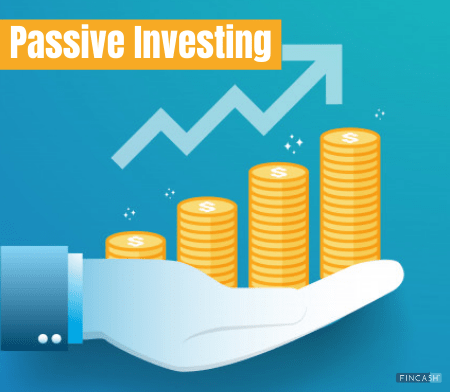
हे दीर्घकालीन सुरक्षितता खरेदी करण्यावर भर देते आणि म्हणूनच याला खरेदी आणि होल्ड धोरण म्हणून देखील ओळखले जाते. याचा अर्थ असा आहे की विविध उद्योग, क्षेत्रांमध्ये संतुलित असलेल्या दीर्घकालीन होल्डिंगचा चांगला संग्रह खरेदी करण्यावर ते लक्ष केंद्रित करते.बाजार कॅपिटलायझेशन आकार आणि देश. या होल्डिंग्स जवळजवळ कोणत्याही परिस्थितीत विकल्या जात नाहीत आणि परिस्थितीमध्ये त्रास होत असतानाही.
निष्क्रीय गुंतवणूक ही बहुतांश परिस्थितींमध्ये चांगली काम करते कारण गुंतवणूकदार त्यांच्या स्वत:च्या अतार्किक वर्तनापासून संरक्षित असतात. गुंतवणूकदार घाबरून जाण्याची शक्यता असते किंवा त्यांना त्याबद्दल फारशी माहिती नसतेहिशेब आणि वेळेच्या मर्यादेसह वित्त. निष्क्रिय गुंतवणूक धोरण कमी खर्चात गुंतवणूक करण्यास आणि दीर्घकालीन परतावा मिळविण्यास मदत करते.
निष्क्रिय गुंतवणूक आणि इंडेक्स फंड
गेल्या काही दशकांमध्ये निष्क्रिय गुंतवणूक धोरणाकडे योग्य लक्ष दिले गेले आहे.इंडेक्स फंड डॉलर-खर्च सरासरी पद्धतीद्वारे नियमित खरेदीसह इतर अतिरिक्त खरेदीसाठी मदत करून या धोरणाचा पूर्ण फायदा घेण्यास मदत करा.
1970 च्या दशकात इंडेक्स फंड सुरू करण्यात आले. याने बाजारात काही यशस्वी परतावा दिला. 1990 च्या दशकात, ETFs जे SPDR S&P 500 सारख्या प्रमुख निर्देशांकांचा मागोवा घेतातईटीएफ (SPY), गुंतवणूकदारांना स्टॉक सारख्या इंडेक्स फंडाचा व्यापार करू देऊन ही प्रक्रिया सोपी केली.
Talk to our investment specialist
निष्क्रिय गुंतवणूकीचे फायदे
इंडेक्सिंगद्वारे निष्क्रिय गुंतवणूक हा विविधीकरणाचा एक उत्तम मार्ग आहे. गुंतवणुकदारांना यशस्वीरित्या गुंतवणूक करण्यासाठी चांगला वैविध्यपूर्ण पोर्टफोलिओ राखणे आवश्यक आहे.
1. कमी फी
स्टॉक्स निवडण्यासाठी निधी व्यवस्थापन संघ नसल्याने ते कमी खर्चात येते. पॅसिव्ह स्टॉक्स ते बेंचमार्क म्हणून वापरत असलेल्या निर्देशांकाचे अनुसरण करतात.
2. कार्यक्षमता
निष्क्रीय गुंतवणूक ही खरेदी आणि धरून ठेवण्याची रणनीती आहे, जी गुंतवणूकदारांना त्यांच्या स्टॉकचे दीर्घकालीन मूल्यांकन करण्यास आणि ठेवण्यास मदत करते. म्हणून, दगुंतवणूकदार कोणत्याही मोठ्या प्रमाणात दिसणार नाहीभांडवली लाभ एका वर्षाच्या आत, ज्यामुळे कर-कार्यक्षमता.
3. पारदर्शकता
जेव्हा इंडेक्स फंडाद्वारे निष्क्रिय गुंतवणूक केली जाते तेव्हा त्याचा मोठा फायदा होतो. कारण जेव्हा इंडेक्स फंडाचा विचार केला जातो तेव्हा मालमत्ता स्पष्टपणे दिसून येते.
4. अंमलबजावणीची सुलभता
यामध्ये इंडेक्स फंडांचा समावेश असल्याने, निर्देशांकांचा समूह अधिक गतिमान धोरणापेक्षा अंमलात आणणे आणि समजणे सोपे आहे. डायनॅमिक धोरणांमध्ये सतत संशोधन आणि समायोजन समाविष्ट असते.
निष्क्रिय गुंतवणूक आणि सक्रिय गुंतवणूक यातील फरक
निष्क्रिय गुंतवणूक आणि सक्रिय गुंतवणूक धोरणांमध्ये काही फरक आहेत.
ते खाली नमूद केले आहेत:
| निष्क्रीय गुंतवणूक | सक्रिय गुंतवणूक |
|---|---|
| पॅसिव्ह इन्व्हेस्टिंगमध्ये कमी खर्चाचा समावेश होतो | सक्रिय खरेदी इत्यादीमुळे सक्रिय गुंतवणूक खूप महाग आहे. |
| निष्क्रीय गुंतवणूक ही एका विशिष्ट निर्देशांकापुरती मर्यादित असते किंवा गुंतवणुकीच्या आधीच ठरवलेल्या संचामध्ये भिन्नतेला वाव नसतो | सक्रिय गुंतवणुकीत समभाग खरेदी करताना लवचिकता असते आणि विशिष्ट निर्देशांकाचे पालन करण्याची आवश्यकता नसते |
निष्क्रिय गुंतवणूक धोरणांचे प्रकार
निष्क्रीय गुंतवणूक म्हणजे इंडेक्स फंड किंवा ईटीएफशी जोडलेल्या पोर्टफोलिओबद्दल. तथापि, खाली नमूद केलेल्या धोरणांवर एक नजर टाका:
1. इंडेक्स फंड
या धोरणाचा पूर्ण फायदा घेण्यासाठी गुंतवणूकदार इंडेक्स फंड खरेदी करू शकतो. इंडेक्स फंड संपूर्ण इंडेक्स स्टॉकची खरेदी निर्देशांकाच्या समान प्रमाणात करतो. हे वितरक आणि फंड हाऊसकडून ऑनलाइन खरेदी केले जाऊ शकते. इंडेक्स फंडाचा एक मोठा फायदा म्हणजे सक्रिय फंडांच्या तुलनेत खर्च अत्यंत कमी असतो.
2. एक्सचेंज ट्रेड फंड
एक्सचेंज ट्रेड फंड (ईटीएफ) इंडेक्स फंडाच्या समान प्रमाणात इंडेक्स स्टॉकचा पोर्टफोलिओ तयार करतात. तथापि, ईटीएफ स्टॉक एक्स्चेंजवर सूचीबद्ध आहेत आणि ते लोकप्रिय सुप्रसिद्ध स्टॉक एक्सचेंजमध्ये खरेदी आणि विकले जाऊ शकतात. गुंतवणूकदार सोने, चांदी, इक्विटी निर्देशांक, कर्ज बाजार निर्देशांक इत्यादींवर ईटीएफ घेऊ शकतात. हे गुंतवणूकदाराच्या विद्यमान इक्विटीद्वारे खरेदी आणि विकले जाऊ शकतेट्रेडिंग खाते आणि नियमित अंतर्गत आयोजित केले जाऊ शकतेडीमॅट खाते.
3. थेट इक्विटी
गुंतवणूकदार थेट इक्विटीसह निष्क्रिय गुंतवणूक धोरण वापरू शकतात. परंतु आव्हान हे ट्रॅकिंग इंडेक्समधील बदल, वेटेज बदल, कॉर्पोरेट कृतींमध्ये असेल.
निष्क्रीय गुंतवणूकीच्या 4 प्रमुख टिपा
तुम्ही निष्क्रिय गुंतवणूक धोरण लक्षात घेऊन गुंतवणूक शोधत असाल, तर तुम्हाला काही गोष्टींची जाणीव असणे आवश्यक आहे. ते खाली नमूद केले आहेत:
1. दीर्घकालीन योजना
तुम्ही दीर्घकालीन गुंतवणूक करण्यास उत्सुक असाल, तर तुम्ही या धोरणाची निवड करावी. अन्यथा, गुंतवणुकीसाठी इतर पर्यायांचा विचार करणे उचित आहे.
2. कमी खर्च करण्याची इच्छा
एक गुंतवणूकदार म्हणून, जर तुम्ही विविध कारणांमुळे कमी खर्च करू इच्छित असाल तर, निष्क्रिय गुंतवणूक धोरणाचा विचार केला जाऊ शकतो.
3. वेळेची मर्यादा
एक गुंतवणूकदार म्हणून, जर तुम्हाला मालमत्ता व्यवस्थापित करण्यासाठी जास्त वेळ घालवायचा नसेल, तर ही रणनीती तुमच्यासाठी आदर्श असेल.
4. हस्तक्षेप करण्यात अडचण
तुमच्या गुंतवणुकीत व्यत्यय आणू नये यासाठी तुम्हाला मदत करणारी रणनीती तुम्ही शोधत असाल, तर तुम्ही निष्क्रिय गुंतवणूक धोरणाची निवड करावी. हे तुम्हाला घाबरून किंवा संकटाच्या काळात तुमच्या गुंतवणुकीत हस्तक्षेप करण्यापासून दूर ठेवण्यास मदत करेल. हे तुम्हाला हस्तक्षेप करण्यास मदत करेल जी सहसा नियमितपणे गुंतवणूक करताना समस्या असते.
पोर्टफोलिओ वारंवार तपासण्यामुळे अतिउत्साह किंवा निराशा आणि घाबरणे यासारख्या विविध भावना खेळात येतात. अशा वेळी गुंतवणूकदारांना निधी हस्तांतरित करणे बंधनकारक असते. हे निष्क्रिय गुंतवणुकीच्या मूळ तत्त्वाच्या विरुद्ध आहे.
निष्क्रिय गुंतवणूक भारतात वरदान
भारतात, एक्स्चेंज-ट्रेडेड फंड (ईटीएफ) मधील निष्क्रिय गुंतवणूक धोरणाला गती मिळत आहे. असोसिएशनच्या आकडेवारीनुसारम्युच्युअल फंड भारतात (AMFI), ईटीएफने रु. आर्थिक वर्ष 2020 च्या पहिल्या आठ महिन्यांत 24,083 कोटी रु.लार्ज कॅप फंड आणि एकूण आवक पैकी निम्मे यावर आधारितइक्विटी फंड दरम्यान. त्यामुळे, एप्रिल ते नोव्हेंबर 2019 दरम्यान इक्विटी योजनेतील एकत्रित प्रवाह रु. 48,891 कोटी.
एका अहवालात नमूद केले आहे की कमी खर्चाचे प्रमाण, लार्ज-कॅप समभागांसाठी बाजाराचे ध्रुवीकरण, लार्ज-कॅप फंडांसह परतावा एकत्रित करणे, ईटीएफद्वारे इक्विटी मार्केटमध्ये भविष्य निर्वाह निधीची गुंतवणूक या वाढीमध्ये मोठी भूमिका बजावते.
बेस्ट पॅसिव्ह इन्व्हेस्टिंग फंड 2022 - 2023
येथे सर्वोत्तम निर्देशांक आहेतनिष्क्रिय निधी तुम्ही गुंतवणूक निवडू शकता:
Fund NAV Net Assets (Cr) 3 MO (%) 6 MO (%) 1 YR (%) 3 YR (%) 5 YR (%) 2025 (%) LIC MF Index Fund Sensex Growth ₹136.877
↓ -0.22 ₹87 -4.3 -5.5 -13.4 4.3 3.9 9.1 Nippon India Index Fund - Sensex Plan Growth ₹37.4289
↓ -0.06 ₹874 -4.2 -5.3 -13.1 4.9 4.4 9.8 IDBI Nifty Index Fund Growth ₹36.2111
↓ -0.02 ₹208 9.1 11.9 16.2 20.3 11.7 Franklin India Index Fund Nifty Plan Growth ₹183.376
↓ -0.69 ₹654 -5.2 -6 -12.2 6 5.1 11.3 ICICI Prudential Nifty Next 50 Index Fund Growth ₹57.8694
↓ -1.33 ₹9,744 -8.3 -6.5 -5.1 14.6 9.2 2.1 Note: Returns up to 1 year are on absolute basis & more than 1 year are on CAGR basis. as on 23 Oct 26 Research Highlights & Commentary of 5 Funds showcased
Commentary LIC MF Index Fund Sensex Nippon India Index Fund - Sensex Plan IDBI Nifty Index Fund Franklin India Index Fund Nifty Plan ICICI Prudential Nifty Next 50 Index Fund Point 1 Bottom quartile AUM (₹87 Cr). Upper mid AUM (₹874 Cr). Bottom quartile AUM (₹208 Cr). Lower mid AUM (₹654 Cr). Highest AUM (₹9,744 Cr). Point 2 Established history (23+ yrs). Established history (16+ yrs). Established history (16+ yrs). Oldest track record among peers (26 yrs). Established history (16+ yrs). Point 3 Rating: 1★ (lower mid). Rating: 2★ (upper mid). Rating: 1★ (bottom quartile). Rating: 1★ (bottom quartile). Top rated. Point 4 Risk profile: Moderately High. Risk profile: Moderately High. Risk profile: Moderately High. Risk profile: Moderately High. Risk profile: Moderately High. Point 5 5Y return: 3.92% (bottom quartile). 5Y return: 4.38% (bottom quartile). 5Y return: 11.74% (top quartile). 5Y return: 5.09% (lower mid). 5Y return: 9.24% (upper mid). Point 6 3Y return: 4.33% (bottom quartile). 3Y return: 4.89% (bottom quartile). 3Y return: 20.28% (top quartile). 3Y return: 6.04% (lower mid). 3Y return: 14.63% (upper mid). Point 7 1Y return: -13.41% (bottom quartile). 1Y return: -13.06% (bottom quartile). 1Y return: 16.16% (top quartile). 1Y return: -12.22% (lower mid). 1Y return: -5.11% (upper mid). Point 8 1M return: -2.31% (lower mid). 1M return: -2.28% (upper mid). 1M return: 3.68% (top quartile). 1M return: -3.58% (bottom quartile). 1M return: -9.18% (bottom quartile). Point 9 Alpha: -1.10 (bottom quartile). Alpha: -0.55 (top quartile). Alpha: -1.03 (bottom quartile). Alpha: -0.58 (upper mid). Alpha: -0.87 (lower mid). Point 10 Sharpe: -0.83 (bottom quartile). Sharpe: -0.80 (bottom quartile). Sharpe: 1.04 (top quartile). Sharpe: -0.70 (lower mid). Sharpe: -0.01 (upper mid). LIC MF Index Fund Sensex
Nippon India Index Fund - Sensex Plan
IDBI Nifty Index Fund
Franklin India Index Fund Nifty Plan
ICICI Prudential Nifty Next 50 Index Fund
*कमीत कमी असलेल्या इंडेक्स म्युच्युअल फंडांची यादी खाली दिली आहे15 कोटी किंवा निव्वळ मालमत्तेमध्ये अधिक.
The main investment objective of the fund is to generate returns commensurate with the performance of the index either Nifty / Sensex based on the plans by investing in the respective index stocks subject to tracking errors. Below is the key information for LIC MF Index Fund Sensex Returns up to 1 year are on The primary investment objective of the scheme is to replicate the composition of the Sensex, with a view to generate returns that are commensurate with the performance of the Sensex, subject to tracking errors. Research Highlights for Nippon India Index Fund - Sensex Plan Below is the key information for Nippon India Index Fund - Sensex Plan Returns up to 1 year are on The investment objective of the scheme is to invest in the stocks and equity related instruments comprising the S&P CNX Nifty Index in the same weights as these stocks represented in the Index with the intent to replicate the performance of the Total Returns Index of S&P CNX Nifty index. The scheme will adopt a passive investment strategy and will seek to achieve the investment objective by minimizing the tracking error between the S&P CNX Nifty index (Total Returns Index) and the scheme. Research Highlights for IDBI Nifty Index Fund Below is the key information for IDBI Nifty Index Fund Returns up to 1 year are on The Investment Objective of the Scheme is to invest in companies whose securities are included in the Nifty and subject to tracking errors, endeavouring to attain results commensurate with the Nifty 50 under NSENifty Plan Research Highlights for Franklin India Index Fund Nifty Plan Below is the key information for Franklin India Index Fund Nifty Plan Returns up to 1 year are on The fund's objective is to invest in companies whose securities are included in Nifty Junior Index and to endeavor to achieve the returns of the above index as closely as possible, though subject to tracking error. The fund intends to track only 90-95% of the Index i.e. it will always keep cash balance between 5-10% of the Net Asset to meet the redemption and other liquidity requirements. However, as and when the liquidity in the Index improves the fund intends to track up to 100% of the Index. The fund will not seek to outperform the CNX Nifty Junior. The objective is that the performance of the NAV of the fund should closely track the performance of the CNX Nifty Junior over the same period subject to tracking error. Research Highlights for ICICI Prudential Nifty Next 50 Index Fund Below is the key information for ICICI Prudential Nifty Next 50 Index Fund Returns up to 1 year are on 1. LIC MF Index Fund Sensex
LIC MF Index Fund Sensex
Growth Launch Date 14 Nov 02 NAV (23 Oct 26) ₹136.877 ↓ -0.22 (-0.16 %) Net Assets (Cr) ₹87 on 30 Sep 26 Category Others - Index Fund AMC LIC Mutual Fund Asset Mgmt Co Ltd Rating ☆ Risk Moderately High Expense Ratio 1.02 Sharpe Ratio -0.83 Information Ratio -10.1 Alpha Ratio -1.1 Min Investment 5,000 Min SIP Investment 1,000 Exit Load 0-1 Months (1%),1 Months and above(NIL) Growth of 10,000 investment over the years.
Date Value 30 Sep 21 ₹10,000 30 Sep 22 ₹9,731 30 Sep 23 ₹11,194 30 Sep 24 ₹14,348 30 Sep 25 ₹13,672 30 Sep 26 ₹12,357 Returns for LIC MF Index Fund Sensex
absolute basis & more than 1 year are on CAGR (Compound Annual Growth Rate) basis. as on 23 Oct 26 Duration Returns 1 Month -2.3% 3 Month -4.3% 6 Month -5.5% 1 Year -13.4% 3 Year 4.3% 5 Year 3.9% 10 Year 15 Year Since launch 12% Historical performance (Yearly) on absolute basis
Year Returns 2025 9.1% 2024 8.2% 2023 19% 2022 4.6% 2021 21.9% 2020 15.9% 2019 14.6% 2018 5.6% 2017 27.4% 2016 1.6% Fund Manager information for LIC MF Index Fund Sensex
Name Since Tenure Nikhil Kapoor 7 Apr 26 0.4 Yr. Sasikant Aravamuthan 1 Jul 26 0.17 Yr. Data below for LIC MF Index Fund Sensex as on 30 Sep 26
Asset Allocation
Asset Class Value Cash 0.4% Equity 99.6% Top Securities Holdings / Portfolio
Name Holding Value Quantity HDFC Bank Ltd (Financial Services)
Equity, Since 31 Mar 09 | HDFCBANK12% ₹11 Cr 152,908
↑ 1,202 ICICI Bank Ltd (Financial Services)
Equity, Since 30 Apr 09 | 53217412% ₹11 Cr 72,541
↑ 1,266 Reliance Industries Ltd (Energy)
Equity, Since 31 Mar 09 | RELIANCE10% ₹9 Cr 67,565
↑ 256 Bharti Airtel Ltd (Communication Services)
Equity, Since 30 Apr 09 | BHARTIARTL6% ₹6 Cr 30,665
↑ 873 Larsen & Toubro Ltd (Industrials)
Equity, Since 31 Mar 09 | LT5% ₹5 Cr 11,642 State Bank of India (Financial Services)
Equity, Since 31 Mar 09 | SBIN5% ₹4 Cr 41,357 Infosys Ltd (Technology)
Equity, Since 31 Mar 09 | INFY4% ₹4 Cr 34,713 Axis Bank Ltd (Financial Services)
Equity, Since 31 Dec 13 | 5322154% ₹4 Cr 28,461 Kotak Mahindra Bank Ltd (Financial Services)
Equity, Since 30 Jun 17 | KOTAKBANK3% ₹3 Cr 73,132 Mahindra & Mahindra Ltd (Consumer Cyclical)
Equity, Since 31 Mar 12 | M&M3% ₹3 Cr 8,907 2. Nippon India Index Fund - Sensex Plan
Nippon India Index Fund - Sensex Plan
Growth Launch Date 28 Sep 10 NAV (23 Oct 26) ₹37.4289 ↓ -0.06 (-0.16 %) Net Assets (Cr) ₹874 on 30 Sep 26 Category Others - Index Fund AMC Nippon Life Asset Management Ltd. Rating ☆☆ Risk Moderately High Expense Ratio 0.49 Sharpe Ratio -0.8 Information Ratio -11.95 Alpha Ratio -0.55 Min Investment 5,000 Min SIP Investment 100 Exit Load 0-7 Days (0.25%),7 Days and above(NIL) Growth of 10,000 investment over the years.
Date Value 30 Sep 21 ₹10,000 30 Sep 22 ₹9,772 30 Sep 23 ₹11,261 30 Sep 24 ₹14,510 30 Sep 25 ₹13,915 30 Sep 26 ₹12,631 Returns for Nippon India Index Fund - Sensex Plan
absolute basis & more than 1 year are on CAGR (Compound Annual Growth Rate) basis. as on 23 Oct 26 Duration Returns 1 Month -2.3% 3 Month -4.2% 6 Month -5.3% 1 Year -13.1% 3 Year 4.9% 5 Year 4.4% 10 Year 15 Year Since launch 8.6% Historical performance (Yearly) on absolute basis
Year Returns 2025 9.8% 2024 8.9% 2023 19.5% 2022 5% 2021 22.4% 2020 16.6% 2019 14.2% 2018 6.2% 2017 27.9% 2016 2% Fund Manager information for Nippon India Index Fund - Sensex Plan
Name Since Tenure Himanshu Mange 23 Dec 23 2.69 Yr. Data below for Nippon India Index Fund - Sensex Plan as on 30 Sep 26
Asset Allocation
Asset Class Value Cash 0.05% Equity 99.95% Top Securities Holdings / Portfolio
Name Holding Value Quantity HDFC Bank Ltd (Financial Services)
Equity, Since 31 Oct 10 | HDFCBANK12% ₹110 Cr 1,553,097
↑ 7,360 ICICI Bank Ltd (Financial Services)
Equity, Since 31 Oct 10 | 53217411% ₹106 Cr 730,561
↑ 3,462 Reliance Industries Ltd (Energy)
Equity, Since 31 Oct 10 | RELIANCE10% ₹89 Cr 689,474
↑ 3,267 Bharti Airtel Ltd (Communication Services)
Equity, Since 31 Oct 10 | BHARTIARTL6% ₹57 Cr 310,448
↑ 1,471 Larsen & Toubro Ltd (Industrials)
Equity, Since 29 Feb 12 | LT5% ₹48 Cr 119,152
↑ 565 State Bank of India (Financial Services)
Equity, Since 31 Oct 10 | SBIN5% ₹45 Cr 423,265
↑ 2,006 Infosys Ltd (Technology)
Equity, Since 31 Oct 10 | INFY4% ₹40 Cr 355,406
↑ 1,684 Axis Bank Ltd (Financial Services)
Equity, Since 31 Dec 13 | 5322154% ₹37 Cr 291,491
↑ 1,381 Kotak Mahindra Bank Ltd (Financial Services)
Equity, Since 30 Jun 17 | KOTAKBANK3% ₹31 Cr 750,013
↑ 3,554 Mahindra & Mahindra Ltd (Consumer Cyclical)
Equity, Since 31 Oct 10 | M&M3% ₹30 Cr 91,234
↑ 432 3. IDBI Nifty Index Fund
IDBI Nifty Index Fund
Growth Launch Date 25 Jun 10 NAV (28 Jul 23) ₹36.2111 ↓ -0.02 (-0.06 %) Net Assets (Cr) ₹208 on 30 Jun 23 Category Others - Index Fund AMC IDBI Asset Management Limited Rating ☆ Risk Moderately High Expense Ratio 0.9 Sharpe Ratio 1.04 Information Ratio -3.93 Alpha Ratio -1.03 Min Investment 5,000 Min SIP Investment 500 Exit Load NIL Growth of 10,000 investment over the years.
Date Value Returns for IDBI Nifty Index Fund
absolute basis & more than 1 year are on CAGR (Compound Annual Growth Rate) basis. as on 23 Oct 26 Duration Returns 1 Month 3.7% 3 Month 9.1% 6 Month 11.9% 1 Year 16.2% 3 Year 20.3% 5 Year 11.7% 10 Year 15 Year Since launch 10.3% Historical performance (Yearly) on absolute basis
Year Returns 2025 2024 2023 2022 2021 2020 2019 2018 2017 2016 Fund Manager information for IDBI Nifty Index Fund
Name Since Tenure Data below for IDBI Nifty Index Fund as on 30 Jun 23
Asset Allocation
Asset Class Value Top Securities Holdings / Portfolio
Name Holding Value Quantity 4. Franklin India Index Fund Nifty Plan
Franklin India Index Fund Nifty Plan
Growth Launch Date 4 Aug 00 NAV (23 Oct 26) ₹183.376 ↓ -0.69 (-0.38 %) Net Assets (Cr) ₹654 on 30 Sep 26 Category Others - Index Fund AMC Franklin Templeton Asst Mgmt(IND)Pvt Ltd Rating ☆ Risk Moderately High Expense Ratio 0.63 Sharpe Ratio -0.71 Information Ratio -4.81 Alpha Ratio -0.58 Min Investment 5,000 Min SIP Investment 500 Exit Load 0-30 Days (1%),30 Days and above(NIL) Growth of 10,000 investment over the years.
Date Value 30 Sep 21 ₹10,000 30 Sep 22 ₹9,772 30 Sep 23 ₹11,253 30 Sep 24 ₹14,859 30 Sep 25 ₹14,265 30 Sep 26 ₹13,186 Returns for Franklin India Index Fund Nifty Plan
absolute basis & more than 1 year are on CAGR (Compound Annual Growth Rate) basis. as on 23 Oct 26 Duration Returns 1 Month -3.6% 3 Month -5.2% 6 Month -6% 1 Year -12.2% 3 Year 6% 5 Year 5.1% 10 Year 15 Year Since launch 11.7% Historical performance (Yearly) on absolute basis
Year Returns 2025 11.3% 2024 9.5% 2023 20.2% 2022 4.9% 2021 24.3% 2020 14.7% 2019 12% 2018 3.2% 2017 28.3% 2016 3.3% Fund Manager information for Franklin India Index Fund Nifty Plan
Name Since Tenure Sandeep Manam 18 Oct 21 4.87 Yr. Shyam Sriram 26 Sep 24 1.93 Yr. Data below for Franklin India Index Fund Nifty Plan as on 30 Sep 26
Asset Allocation
Asset Class Value Cash 0.31% Equity 99.69% Top Securities Holdings / Portfolio
Name Holding Value Quantity HDFC Bank Ltd (Financial Services)
Equity, Since 31 Jan 03 | HDFCBANK10% ₹70 Cr 990,850
↓ -8,577 ICICI Bank Ltd (Financial Services)
Equity, Since 31 Jan 10 | ICICIBANK9% ₹67 Cr 463,530
↓ -4,012 Reliance Industries Ltd (Energy)
Equity, Since 31 Jan 03 | RELIANCE8% ₹56 Cr 437,127
↓ -3,784 Bharti Airtel Ltd (Communication Services)
Equity, Since 31 Mar 04 | BHARTIARTL5% ₹36 Cr 196,760
↓ -1,704 Larsen & Toubro Ltd (Industrials)
Equity, Since 30 Jun 12 | LT4% ₹31 Cr 75,734
↓ -655 State Bank of India (Financial Services)
Equity, Since 31 Jan 03 | SBIN4% ₹28 Cr 267,457
↓ -2,315 Infosys Ltd (Technology)
Equity, Since 29 Feb 12 | INFY4% ₹26 Cr 226,955
↓ -1,964 Axis Bank Ltd (Financial Services)
Equity, Since 30 Jun 09 | 5322153% ₹24 Cr 185,828
↓ -1,609 Kotak Mahindra Bank Ltd (Financial Services)
Equity, Since 31 Mar 12 | KOTAKBANK3% ₹20 Cr 476,395
↓ -4,124 Mahindra & Mahindra Ltd (Consumer Cyclical)
Equity, Since 28 Feb 07 | M&M3% ₹19 Cr 57,768
↓ -500 5. ICICI Prudential Nifty Next 50 Index Fund
ICICI Prudential Nifty Next 50 Index Fund
Growth Launch Date 25 Jun 10 NAV (23 Oct 26) ₹57.8694 ↓ -1.33 (-2.24 %) Net Assets (Cr) ₹9,744 on 30 Sep 26 Category Others - Index Fund AMC ICICI Prudential Asset Management Company Limited Rating ☆☆☆☆☆ Risk Moderately High Expense Ratio 0.68 Sharpe Ratio -0.01 Information Ratio -6.31 Alpha Ratio -0.87 Min Investment 5,000 Min SIP Investment 100 Exit Load 0-7 Days (0.25%),7 Days and above(NIL) Growth of 10,000 investment over the years.
Date Value 30 Sep 21 ₹10,000 30 Sep 22 ₹10,037 30 Sep 23 ₹10,650 30 Sep 24 ₹18,220 30 Sep 25 ₹16,022 30 Sep 26 ₹16,477 Returns for ICICI Prudential Nifty Next 50 Index Fund
absolute basis & more than 1 year are on CAGR (Compound Annual Growth Rate) basis. as on 23 Oct 26 Duration Returns 1 Month -9.2% 3 Month -8.3% 6 Month -6.5% 1 Year -5.1% 3 Year 14.6% 5 Year 9.2% 10 Year 15 Year Since launch 11.4% Historical performance (Yearly) on absolute basis
Year Returns 2025 2.1% 2024 27.2% 2023 26.3% 2022 0.1% 2021 29.5% 2020 14.3% 2019 0.6% 2018 -8.8% 2017 45.7% 2016 7.6% Fund Manager information for ICICI Prudential Nifty Next 50 Index Fund
Name Since Tenure Nishit Patel 18 Jan 21 5.62 Yr. Ajaykumar Solanki 1 Feb 24 2.58 Yr. Ashwini Bharucha 18 Dec 24 1.7 Yr. Venus Ahuja 1 Nov 25 0.83 Yr. Data below for ICICI Prudential Nifty Next 50 Index Fund as on 30 Sep 26
Asset Allocation
Asset Class Value Cash 0.13% Equity 99.87% Top Securities Holdings / Portfolio
Name Holding Value Quantity Divi's Laboratories Ltd (Healthcare)
Equity, Since 30 Sep 24 | DIVISLAB5% ₹479 Cr 505,895
↑ 8,068 TVS Motor Co Ltd (Consumer Cyclical)
Equity, Since 30 Sep 23 | 5323434% ₹406 Cr 935,104
↑ 14,920 Tata Motors Ltd (Consumer Cyclical)
Equity, Since 31 Mar 26 | TMCV4% ₹392 Cr 8,314,044
↑ 132,742 Hindustan Aeronautics Ltd Ordinary Shares (Industrials)
Equity, Since 30 Sep 22 | HAL4% ₹363 Cr 755,170
↑ 12,049 Adani Power Ltd (Utilities)
Equity, Since 31 Mar 24 | 5330963% ₹327 Cr 16,517,749
↑ 263,732 Cholamandalam Investment and Finance Co Ltd (Financial Services)
Equity, Since 30 Sep 21 | CHOLAFIN3% ₹320 Cr 1,722,158
↑ 27,490 Samvardhana Motherson International Ltd (Consumer Cyclical)
Equity, Since 30 Sep 22 | MOTHERSON3% ₹300 Cr 17,586,411
↑ 280,796 Torrent Pharmaceuticals Ltd (Healthcare)
Equity, Since 30 Jun 20 | TORNTPHARM3% ₹296 Cr 583,924
↑ 9,314 Cummins India Ltd (Industrials)
Equity, Since 31 Mar 26 | 5004803% ₹275 Cr 537,716
↑ 8,577 Bharat Petroleum Corp Ltd (Energy)
Equity, Since 31 Mar 25 | 5005473% ₹261 Cr 8,067,782
↑ 128,810
निष्कर्ष
निष्क्रिय गुंतवणूक धोरणाने आतापर्यंत यशस्वी परिणाम दिले आहेत. तथापि, हे महत्त्वाचे आहे की गुंतवणूकदारांनी ऐतिहासिक डेटावर आधारित भविष्यातील परिणामांचा अंदाज लावू नये. गुंतवणुकीचे विविध पैलू चांगल्याप्रकारे समजून घेणे आणि नंतर त्यासाठी वचनबद्ध होणे महत्त्वाचे आहे.
येथे प्रदान केलेली माहिती अचूक असल्याची खात्री करण्यासाठी सर्व प्रयत्न केले गेले आहेत. तथापि, डेटाच्या अचूकतेबद्दल कोणतीही हमी दिली जात नाही. कृपया कोणतीही गुंतवणूक करण्यापूर्वी योजना माहिती दस्तऐवजासह सत्यापित करा.
You Might Also Like










AMFI Registration No. 112358 | CIN: U74999MH2016PTC282153
Shepard Technologies Pvt. Ltd. (with ARN code 112358) makes no warranties or representations, express or implied, on products offered through the platform. It accepts no liability for any damages or losses, however caused, in connection with the use of, or on the reliance of its product or related services. Terms and conditions of the website are applicable.
©2026 Shepard Technologies Private Limited. All Rights Reserved
Research Highlights for LIC MF Index Fund Sensex